The Advanced Manufacturing Techniques Behind Senior and Disabled Bath Solutions: How Top Manufacturers Deliver Quality
Introduction:
In today’s world, accessible and senior-friendly bathrooms have become a necessity, providing safety, comfort, and independence to individuals with mobility challenges. Whether you’re looking for a disabled tub, handicapped bath, or senior bath solution, the importance of choosing a reliable manufacturer cannot be overstated. Behind every high-quality accessible bath product lies an intricate and advanced manufacturing process that ensures the end result meets both safety standards and user needs.
In this blog, we will explore the manufacturing techniques used by top disabled tub manufacturers, handicapped bath manufacturers, and senior bath manufacturers. By focusing on the factory-level processes and technological innovations, we will show you how these manufacturers create products that improve the quality of life for their users.
The Role of Advanced Manufacturing in Accessible Bath Solutions
The manufacturing of disabled, handicapped, and senior baths is not simply about assembling materials; it involves precision engineering, high-tech machinery, and a strong focus on safety and quality. These manufacturing processes are designed to create reliable, durable products tailored to the specific needs of individuals with mobility challenges.
1. Design and Prototyping: Where Innovation Begins
The first stage in the manufacturing process for a senior bath manufacturer or handicapped bath manufacturer is the design phase. Experienced manufacturers use advanced design software and prototyping tools to create innovative bath models that accommodate a variety of accessibility requirements. During this phase, ergonomics and safety are the key focus.
Prototyping allows manufacturers to test out different configurations, shapes, and sizes of tubs and showers to meet the varying needs of users. For example, adjustable features, such as height or width, may be incorporated to help seniors with limited mobility. The product design is refined to ensure ease of use, aesthetic appeal, and compliance with safety regulations.
2. Material Selection: High-Quality Components
Selecting the right materials is crucial for the durability, safety, and comfort of accessible bath products. Disabled tub manufacturers, handicapped bath manufacturers, and senior bath manufacturers typically use high-quality, non-corrosive, and water-resistant materials to ensure longevity and performance.
Some commonly used materials in manufacturing include:
Reinforced Acrylic: Known for its durability and ease of maintenance, reinforced acrylic is a preferred choice for creating tubs and showers that are resistant to cracking, staining, and fading.
Fiberglass: Lightweight yet strong, fiberglass is often used as a base material in many senior bath solutions. It is cost-effective and offers solid structural integrity.
Stainless Steel and Aluminum: These materials are often used for the structural components of accessible bath designs, offering strength and resistance to rust or corrosion in a damp environment.
Slip-Resistant Surfaces: Senior bath manufacturers pay close attention to creating slip-resistant floors, which are essential for preventing accidents in the bathroom. These surfaces may include textured finishes or specialized coatings that offer added traction.
3. Molding and Shaping: Precision Crafting for Accessibility
After the materials are selected, the next step in manufacturing is molding and shaping the components of the bath. Advanced molding techniques, such as rotational molding and injection molding, are used by top handicapped bath manufacturers to create custom-sized, smooth, and seamless surfaces for the tubs and showers.
Rotational Molding is commonly used to produce large bath shells in one continuous process. This technique ensures that the bath tub is made from a single, seamless piece, which is essential for preventing water leakage and maintaining the integrity of the design.
For smaller components, such as grab bars, faucets, and showerheads, injection molding is used. This technique involves injecting molten material into a mold under high pressure, which results in precise, durable, and lightweight components.
CNC Machining (Computer Numerical Control) is also commonly employed in senior bath manufacturing. Using CNC machines, manufacturers can cut and shape components with high precision. This technique is especially useful for creating customizable features like tub height or width, ensuring that the finished product fits perfectly into any bathroom layout.
4. Assembly and Integration: Ensuring Functionality
Once all components are molded and shaped, the next stage is assembly. This step involves integrating various parts such as tub walls, doors, handles, faucets, and safety features into a single product. Handicapped bath manufacturers and senior bath manufacturers place a high priority on creating tubs that are not only functional but also easy to install and maintain.
The assembly process often includes:
Installing Grab Bars and Handles: Grab bars are essential safety features for individuals with mobility challenges. They are installed at strategic locations to provide additional support and prevent falls.
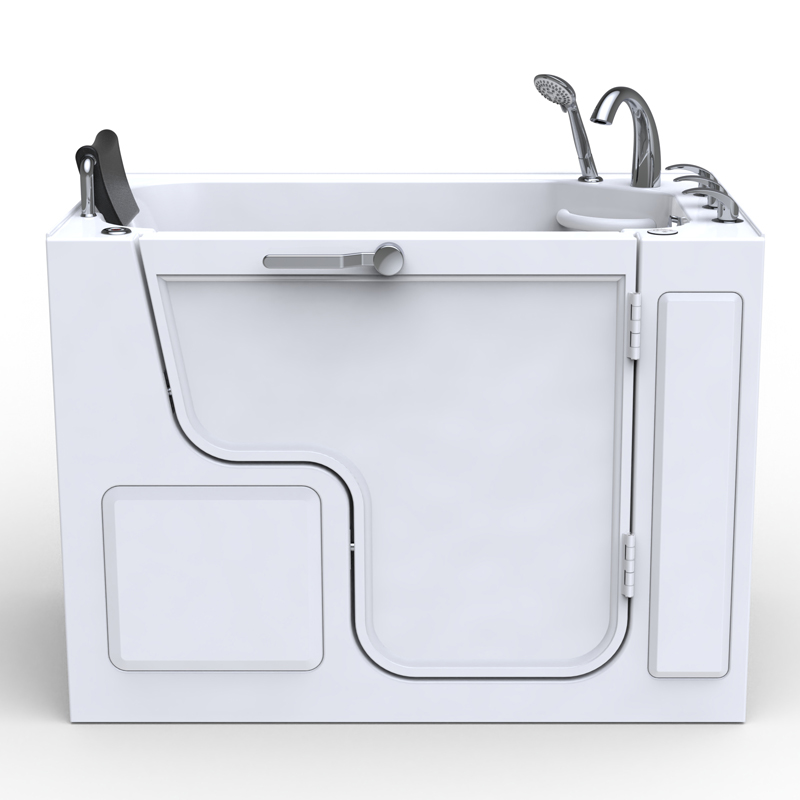
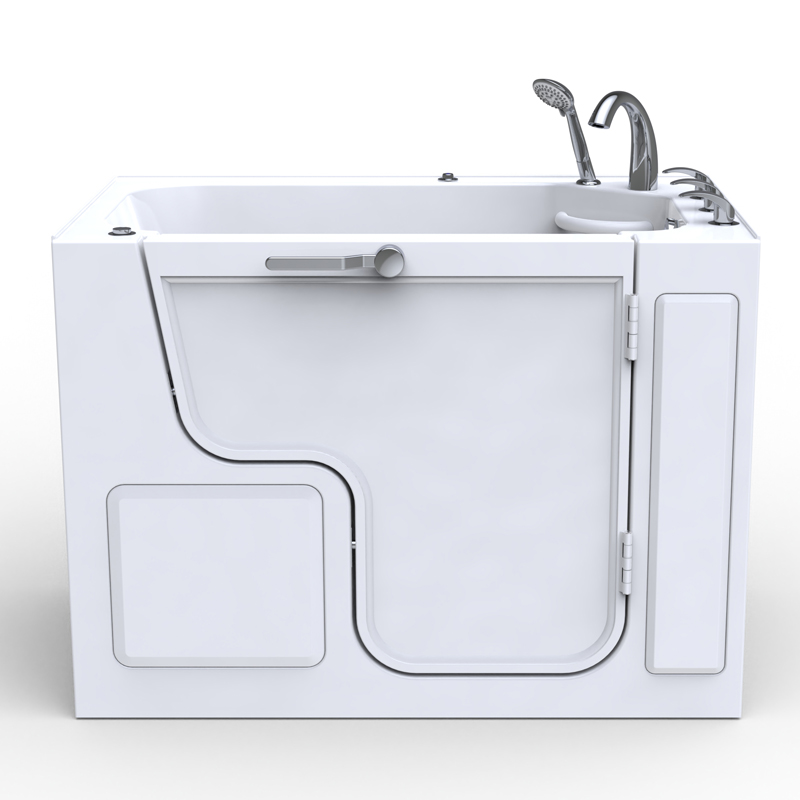
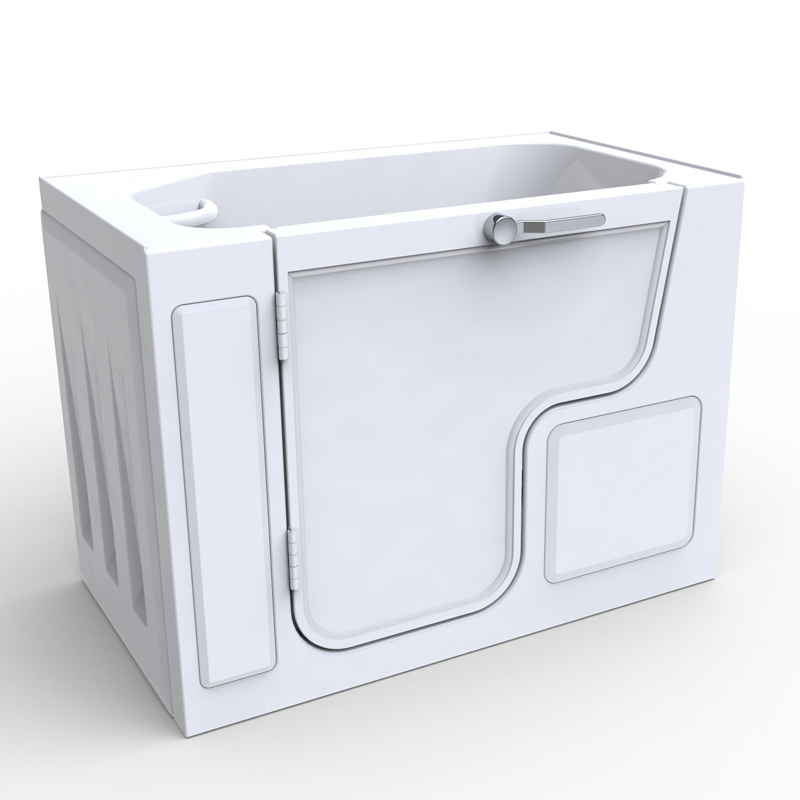
Adding Entry Doors or Low Thresholds: Many senior bath manufacturers create walk-in bathtubs that feature easy-access doors or low thresholds to ensure individuals with mobility aids, such as wheelchairs or walkers, can easily enter and exit the tub.
Hydrotherapy Integration: Some advanced models, such as those from senior bath manufacturers, come equipped with hydrotherapy jets, which are integrated into the tub during the assembly stage. These jets provide therapeutic benefits to users with joint pain, arthritis, and other conditions.
5. Quality Control and Safety Testing: Meeting Standards
After assembly, the next step in the process is quality control. Top disabled tub manufacturers and senior bath manufacturers subject their products to rigorous testing to ensure they meet safety and quality standards. This may include:
Waterproof Testing: Ensuring that the tubs do not leak is crucial for safety and durability. Products are submerged or exposed to high water pressure to test for leaks or water resistance.
Load Testing: Products are tested to ensure they can withstand weight loads without failure, a critical safety feature for users of varying sizes.
Surface Testing: The non-slip surfaces of the tubs and showers are carefully tested to ensure they meet safety standards and provide adequate grip.
Certification and Compliance are also essential for manufacturers. Top manufacturers adhere to industry standards such as those set by the American National Standards Institute (ANSI) and International Organization for Standardization (ISO) to ensure that the products are safe for use by individuals with mobility impairments.
6. Customization and Packaging: Tailored to Your Needs
Once the products pass the testing phase, the final step is customization and packaging. Leading handicapped bath manufacturers and senior bath manufacturers understand that each customer’s needs may vary, so they offer customizable options for features like color, size, and safety add-ons.
Custom options may include:
Customizable Sizes: Some manufacturers allow you to select from a variety of sizes and shapes based on the available bathroom space.
Color and Finishes: Accessible baths may come in various colors and finishes to match the decor of the bathroom.
Personalized Accessories: Options such as built-in shelves, reclining backs, or adjustable jets allow you to further customize the bath to suit your needs.
Once customized, the products are carefully packaged and prepared for delivery. Manufacturers focus on using high-quality, protective packaging to prevent damage during transit.
Conclusion: Advanced Manufacturing Techniques Behind Quality Senior and Disabled Bath Products
The manufacturing of senior bath solutions, handicapped bath tubs, and disabled tub products involves a blend of advanced techniques, high-quality materials, and a commitment to safety. Top manufacturers use cutting-edge technology to create accessible products that meet the needs of individuals with mobility challenges. From design to prototyping, molding to assembly, and quality control to customization, each stage is integral to delivering a product that provides safety, comfort, and independence.
When choosing the right manufacturer for your accessible bath solution, always consider their experience, manufacturing process, and commitment to quality. By working with a reliable and expert senior bath manufacturer or handicapped bath manufacturer, you are investing in a product that not only improves the quality of life but also ensures long-term safety and durability.