Industry News

  • The Advanced Manufacturing Techniques Behind Senior and Disabled Bath Solutions: How Top Manufacturers Deliver Quality
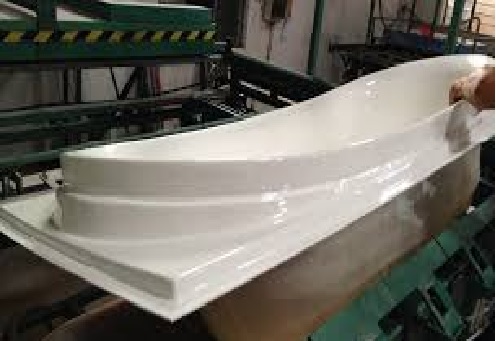
    this blog explains how manufacturing techniques are used at the oasis factory to make different textures and surface based upon users requirements.
    2026-02-27
    More
  • At What Age should you purchase a Walk-in Bath?
    All about the correct age to purchase a walk in bath, depends on mobility and other factors
    2026-02-11
    More
  • Why walk in baths are fitted with ozone?
    Introduction to the health benefits of ozone when fitted onto a bath as an ozone generator.
    2026-02-03
    More
  • Air spas what are the benefits?
    Air spas have become a key differentiator in modern walk-in bath solutions, offering a strong blend of comfort, safety, and commercial value. For homeowners, they provide gentle therapeutic benefits, while for trade buyers and walk in bath distributors, air spa systems represent an easy upgrade that increases product appeal and long-term customer satisfaction. As demand grows across residential, healthcare, and assisted-living sectors, air spas are increasingly viewed as a standard feature rather than a luxury. An air spa system works by releasing warm air through strategically placed jets, creating thousands of small bubbles that deliver a soft, full-body massage. Unlike traditional whirlpool systems, air spas are non-invasive, making them especially suitable for seniors, users with limited mobility, and rehabilitation environments. Benefits include improved circulation, muscle relaxation, reduced joint strain, and enhanced overall comfort, all without compromising safety. From a commercial perspective, air spas add value while reducing maintenance and service requirements. Their hygienic design, quiet operation, and reliability make them well suited for medical and institutional use. However, performance and longevity depend heavily on sourcing from experienced walk in bath & shower manufacturers and dependable walk in bath & shower suppliers. Strong manufacturing partnerships ensure consistent quality, compliance, and scalability, allowing walk in bath distributors to compete confidently in an increasingly quality-driven market.
    2026-01-19
    More
  • Why Do Doctors Recommend a Walk-In Bath for Seniors?
    Doctors frequently recommend walk-in baths for seniors because they significantly enhance safety, comfort, and independence. Traditional bathtubs pose a high risk of falls due to their elevated edges, especially for those with mobility issues, arthritis, or balance problems. Walk-in baths feature low-threshold doors, non-slip floors, and inward-swinging doors, minimizing the risk of injury. They also support joint health and pain management, as warm water therapy improves circulation, relaxes muscles, and relieves stiffness. Many models include therapeutic features such as hydrotherapy jets, heated seats, and ergonomic backrests, making them suitable for chronic conditions. Beyond physical health, walk-in baths promote independence and dignity by allowing seniors to bathe safely without assistance, reducing caregiver strain and preventing hygiene-related complications. They offer customizable designs for left- or right-hand entry, grab bars, and built-in seating, ensuring accessibility for varied medical conditions, including arthritis, Parkinson’s, or stroke recovery. Medically certified walk-in bath companies ensure compliance with international safety standards and reliable delivery through trusted trade suppliers. Warm water immersion also provides cardiovascular benefits, while preventing falls helps reduce long-term healthcare costs. Overall, walk-in baths are viewed by doctors as a preventative, practical investment in senior safety, health, and quality of life.
    2026-01-14
    More
  • When and Where Walk-In Baths Were Invented: A Practical History
    Walk-in baths were not a sudden modern invention but the result of gradual development driven by medical and social needs. The earliest concepts appeared in the late 19th and early 20th centuries in hospitals and sanatoriums across Europe and North America. These early designs were created to help patients with limited mobility bathe safely without climbing over high bath sides, reducing the risk of injury for both users and carers. Following the Second World War, walk-in baths became more common in rehabilitation centres and veteran care facilities. The growing number of people living with long-term injuries highlighted the importance of accessible bathing solutions. At this stage, designs were still functional and industrial, focused on safety rather than appearance. From the 1970s onwards, advances in materials such as acrylic allowed walk-in baths to move into private homes. Lighter construction, improved door seals, and better ergonomics made them suitable for residential bathrooms. By the 1990s, walk-in baths were commercially available and increasingly marketed to older homeowners. In the 21st century, innovation has continued with improved safety standards, refined aesthetics, and the introduction of walk-in bath & shower combinations. Today’s walk-in baths reflect over a century of practical problem-solving aimed at safe, independent, and dignified bathing.
    2026-01-06
    More

Get the latest price? We will reply as soon as possible (within 12 hours)