When and Where Walk-In Baths Were Invented: A Practical History
Walk-in baths did not appear overnight. Their development was gradual, shaped by demographic change, medical need, and advances in manufacturing. Long before modern accessibility standards existed, early versions of walk-in bathing concepts were already being explored. Today, the industry supporting walk-in bathing is driven by specialist walk in bath suppliers responding to an ageing global population and increased awareness of mobility needs.
Early Origins: Medical and Institutional Use
The earliest recognisable walk-in bath designs emerged in the late 19th and early 20th centuries, primarily in hospitals and rehabilitation facilities. These early units were not consumer products. Instead, they were clinical tools designed to help patients bathe safely without climbing over high bath walls. At this stage, there were no commercial walk in bath supplier networks; baths were custom-built by metalworkers or plumbers for individual institutions.
During this period, most designs were industrial in appearance, often made of cast iron or steel. Hospitals in Europe and North America began experimenting with side-entry access to reduce lifting injuries for staff. These early systems laid the groundwork for what modern walk in bath wholesalers would later refine and mass-produce.
Mid-20th Century: Rehabilitation and Veteran Care
Following World War II, walk-in bathing concepts gained renewed attention. Large numbers of injured veterans required long-term rehabilitation, prompting governments to invest in accessible facilities. This era marked a turning point where demand expanded beyond hospitals into rehabilitation centres and assisted housing.
By the 1950s and 1960s, small manufacturing firms began standardising designs. These firms can be seen as the predecessors of today’s walk in bath wholesaler businesses. Although still niche, walk-in baths were now being produced in small batches rather than as one-off units.
Late 20th Century: Entry into the Home
The 1970s and 1980s marked the true transition of walk-in baths into private homes. Rising life expectancy, combined with the growth of home adaptations, created consumer demand. Acrylic manufacturing replaced heavy metal, making baths lighter, warmer, and easier to install. At this point, specialist walk in bath trade suppliers began to emerge as distinct businesses rather than medical contractors.
In Japan, compact bathing culture influenced early domestic walk-in designs, while in Europe and North America, the focus was on safety and independence. Dedicated walk in bath suppliers started offering catalogues, size options, and door configurations tailored to residential bathrooms.
1990s–2000s: Commercialisation and Global Expansion
The 1990s saw walk-in baths become a recognised product category. Advertising aimed at seniors increased, and national standards for accessibility began to influence design. This period saw rapid growth in walk in bath supplier operations, particularly in the UK, US, and parts of Europe.
Manufacturers invested in moulding technology, door seals, and anti-slip surfaces. Larger walk in bath wholesalers began supplying retailers, installers, and healthcare providers, enabling wider distribution. For the first time, walk-in baths were marketed not just as medical aids, but as lifestyle and safety products.
21st Century: Refinement, Safety, and Choice
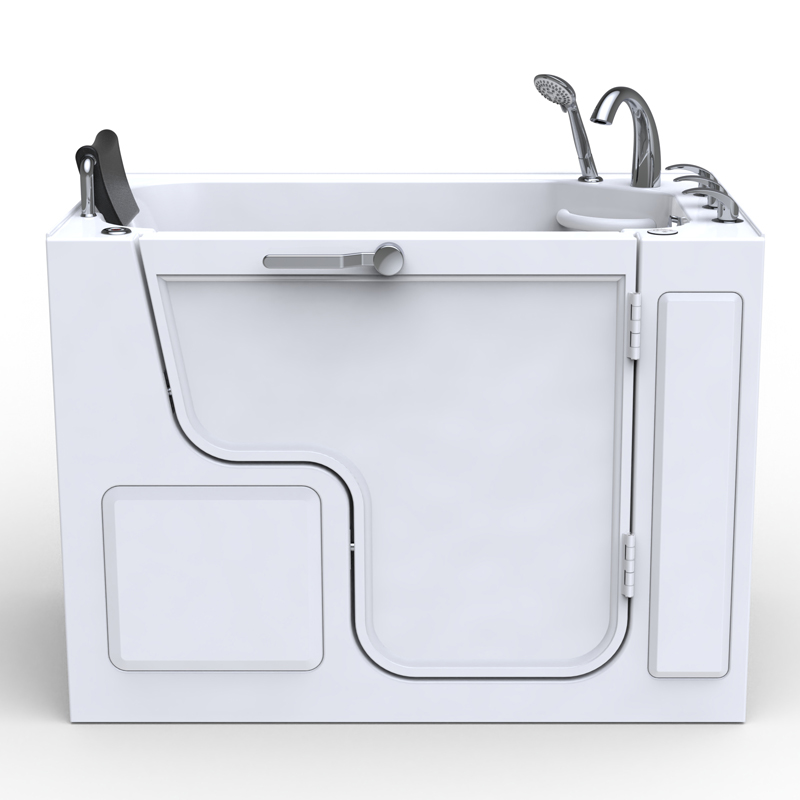
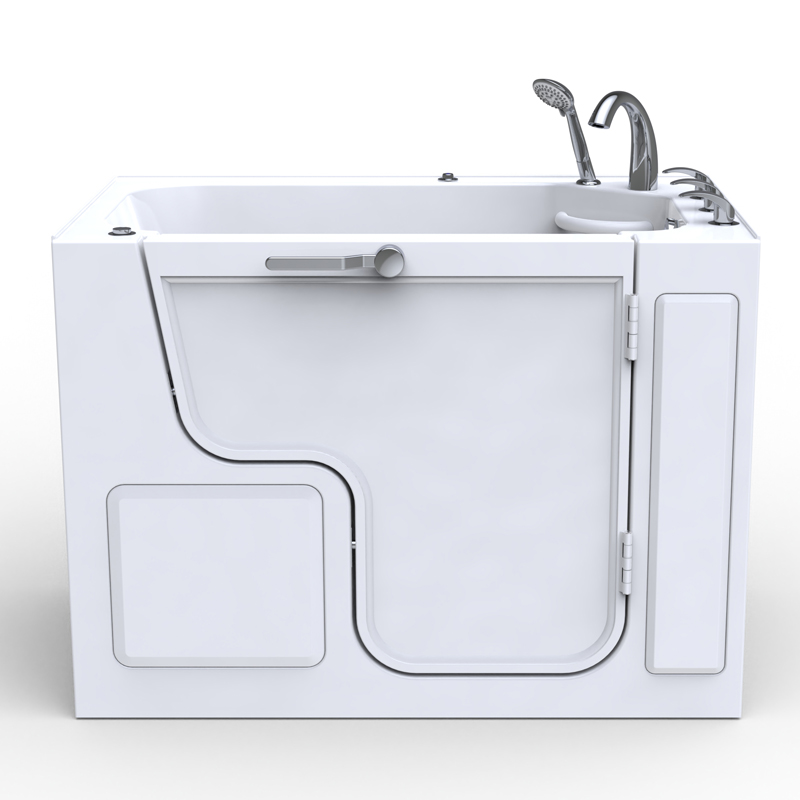
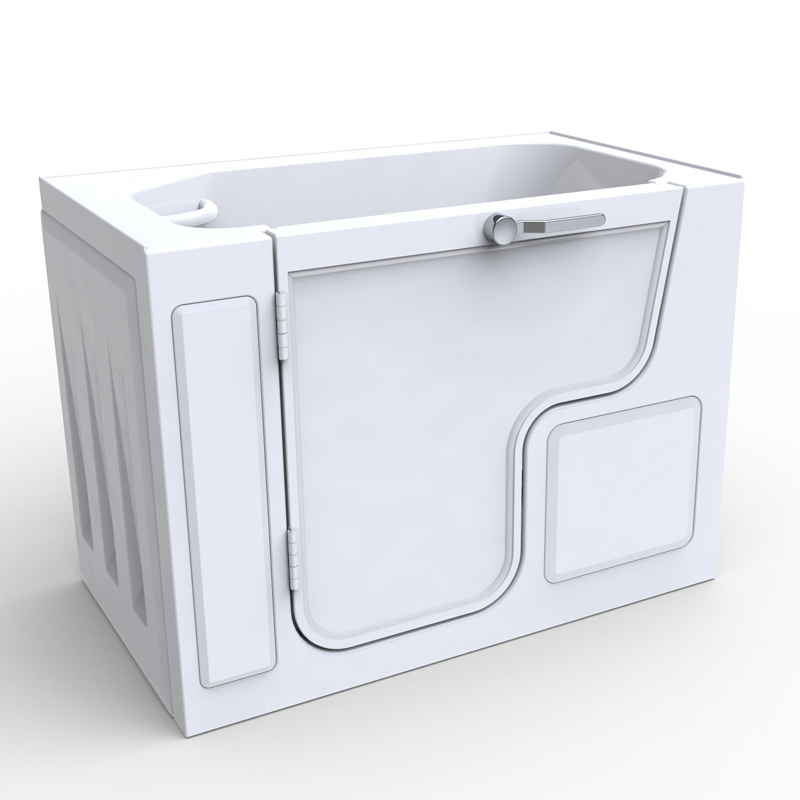
In the 2000s and 2010s, innovation accelerated. Modern walk in bath wholesaler networks expanded globally, with manufacturing hubs in Europe and Asia. Hydrotherapy options, powered seats, and inward-opening doors became common. Industry-specific walk in bath trade suppliers began serving care homes, retirement villages, and hospitality projects.
During this period, regulatory compliance became critical. Reputable walk in bath suppliers focused on certifications, load testing, and long-term durability. Consumers benefited from improved design aesthetics, making walk-in baths visually comparable to standard tubs.
Where Walk-In Baths Were Invented
While no single country can claim sole invention, the concept originated simultaneously in medical institutions across Europe and North America. Germany, the UK, and the United States played major roles in early adoption. Japan later influenced compact and seated bathing designs. Today’s global walk in bath supplier landscape reflects this multinational evolution.
Modern walk in bath wholesalers often combine European safety standards with Asian manufacturing efficiency. This hybrid approach has allowed walk in bath trade suppliers to serve international markets with consistent quality.
Why the History Still Matters Today
Understanding when and where walk-in baths were invented helps explain why the industry operates as it does today. The medical roots explain the strong emphasis on safety. The gradual move into private homes explains the need for aesthetic flexibility. Reputable walk in bath suppliers continue to build on these foundations.
For trade buyers, knowing this history reinforces the importance of choosing experienced walk in bath supplier partners. Established walk in bath wholesalers tend to reflect decades of iterative improvement rather than short-term trends. Likewise, professional walk in bath trade suppliers understand both the clinical origins and modern consumer expectations.
Looking Ahead
As populations age worldwide, walk-in baths are no longer niche products. The future will likely bring smarter controls, faster fill systems, and further customisation. However, the core idea—safe, dignified bathing—remains unchanged from its earliest institutional designs.
Today’s walk in bath suppliers, walk in bath supplier networks, walk in bath wholesalers, walk in bath wholesaler operations, and walk in bath trade suppliers all trace their roots back to a simple need identified over a century ago: making bathing safer and more accessible.