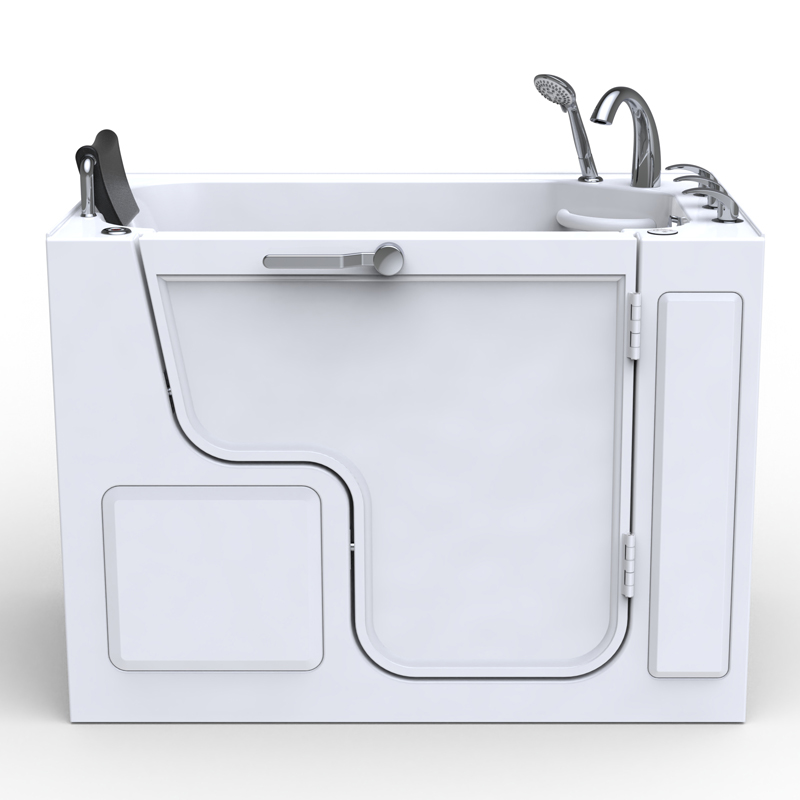
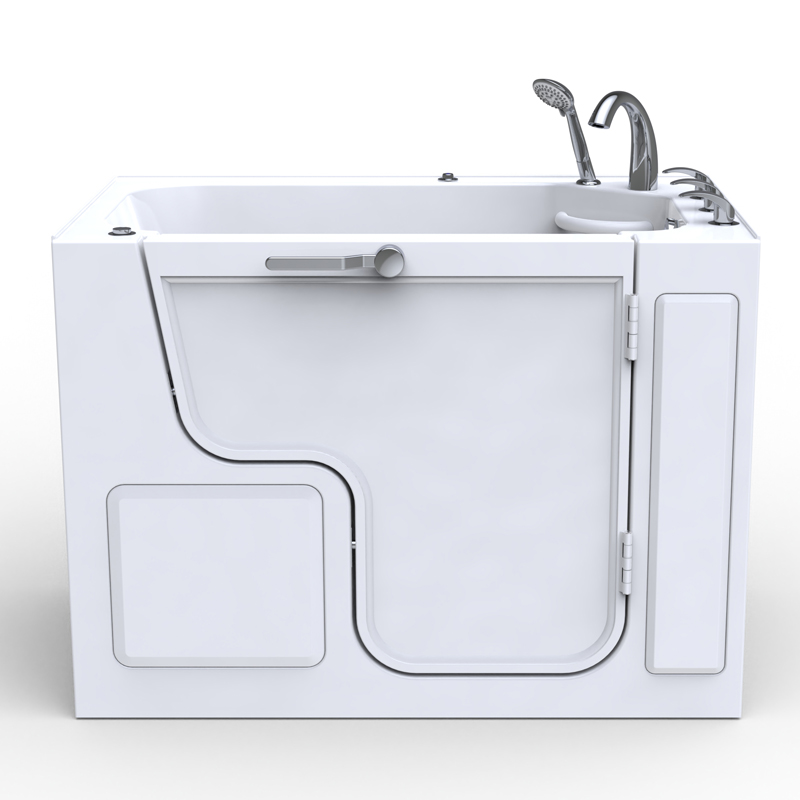
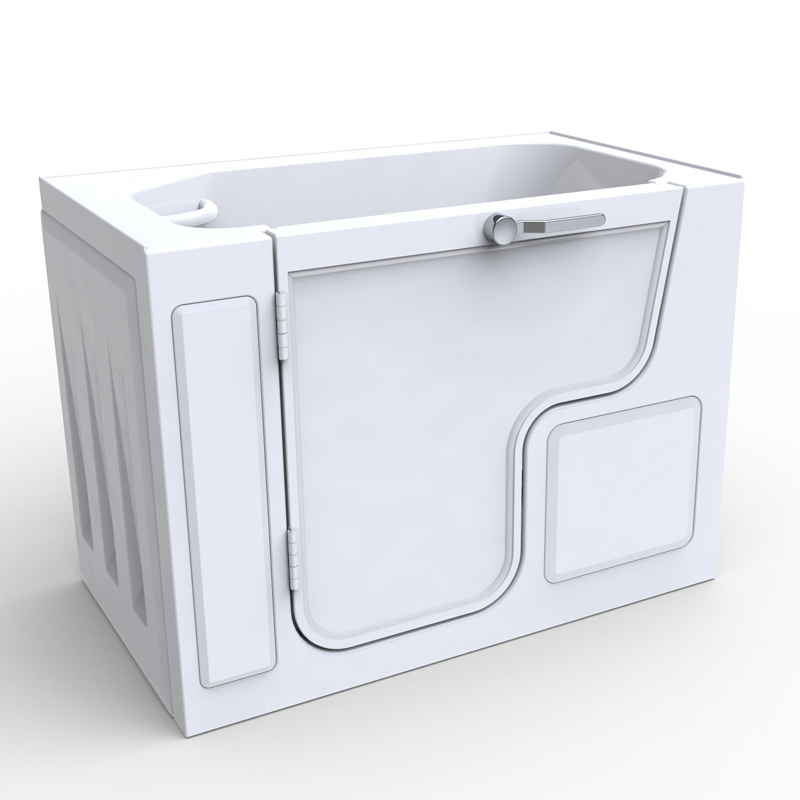
Why Do Thermostatic Taps Matter for Safety in Walk-In Baths?
Safety is one of the most important considerations when designing a walk-in bath. While features such as low-entry thresholds, slip-resistant flooring, and comfortable seating often receive the most attention, thermostatic taps are equally essential. They play a critical role in preventing burns, ensuring a comfortable bathing experience, and providing peace of mind for users and caregivers alike.
Many handicapped bath suppliers consider thermostatic taps a key safety feature because they help maintain a consistent water temperature regardless of changes in water pressure elsewhere in the home. For elderly users and individuals with mobility challenges, this simple technology can make a significant difference.
Understanding How Thermostatic Taps Work
A thermostatic tap is designed to automatically regulate the mix of hot and cold water to maintain a consistent temperature. Unlike conventional taps, which can experience sudden temperature fluctuations when water pressure changes, thermostatic taps continually monitor the water supply and make instant adjustments.
This means that if someone flushes a toilet, starts a dishwasher, or turns on another tap elsewhere in the house, the bath water remains at the chosen temperature. This level of protection is especially important for vulnerable users who may not be able to react quickly to sudden changes in water temperature.
Why Elderly Users Are More Vulnerable to Scalding
As people age, their bodies undergo many changes, including a reduced ability to detect temperature accurately. Older adults often experience decreased circulation and reduced nerve sensitivity, making it harder to distinguish between comfortably warm water and dangerously hot water.
Because aging skin becomes thinner and more fragile, it can also burn much more quickly than younger skin. Many seniors cannot rely solely on their skin sensation to determine whether bath water is safe. By the time they realize the water is too hot, injury may already have occurred.
This is one of the main reasons why a trusted handicapped bath supplier will recommend thermostatic taps as a standard safety feature in walk-in baths.
Preventing Dangerous Temperature Surges
One of the biggest risks associated with traditional taps is unexpected temperature fluctuation. If cold water pressure suddenly drops, the water coming from the tap can become significantly hotter within seconds.
For a person with reduced mobility, moving away from the hot water source may not be possible. Users seated in a walk-in bath may have limited ability to stand or reposition themselves quickly.
Thermostatic taps are specifically designed to prevent this situation. They automatically compensate for pressure changes and maintain a safe, stable water temperature. Some models even shut off the hot water supply completely if the cold-water feed fails, providing an additional layer of protection.
Supporting Independent Bathing
Maintaining independence is a major priority for many older adults and individuals with disabilities. Being able to bathe safely without assistance contributes significantly to dignity, confidence, and overall wellbeing.
Thermostatic taps help make independent bathing possible by removing uncertainty about water temperature. Users can focus on enjoying their bath rather than constantly checking whether the water is becoming too hot or too cold.
Many handicapped bath wholesalers recognize that accessible bathing products should empower users while minimizing risk. Thermostatic technology plays a key role in achieving this balance.
Increased Confidence for Families and Caregivers
Safety concerns often cause family members to worry when elderly relatives bathe alone. The risk of scalding is a genuine concern, particularly for individuals with reduced mobility, visual impairments, or cognitive challenges.
Installing thermostatic taps provides reassurance that water temperature is being controlled automatically. This allows caregivers to feel more confident that their loved ones can enjoy a safer bathing experience.
For households seeking practical safety improvements, thermostatic controls are among the most effective upgrades available.
Built-In Temperature Limiters for Added Protection
Many modern thermostatic taps include safety stop functions or temperature limiters. These features prevent the water temperature from exceeding a predetermined maximum level.
Common safety settings are typically around 38°C to 43°C, depending on local regulations and user requirements. To increase the temperature beyond this point, the user must deliberately press a safety button or override mechanism.
This additional safeguard is particularly useful for users with arthritis, reduced dexterity, visual impairments, or memory difficulties. Leading handicapped bath wholesaler businesses frequently recommend temperature limiters as part of a complete safety package.
Ideal for Therapeutic Walk-In Baths
Walk-in baths are often equipped with luxury and therapeutic features such as hydrotherapy jets, air spa massage systems, chromotherapy lighting, and heated seating. These features encourage longer bathing sessions that promote relaxation and comfort.
Because users remain in the bath for extended periods, maintaining a consistent water temperature becomes even more important. Thermostatic taps help ensure the bathing environment remains comfortable throughout the entire experience.
This combination of comfort and safety is why many premium walk-in bath manufacturers include thermostatic controls as standard equipment.
A Vital Feature Recommended by Industry Professionals
Accessible bathing specialists understand that effective safety features often work quietly in the background. While a thermostatic tap may not be as visually impressive as hydrotherapy jets or chromotherapy lighting, its role in preventing injury is invaluable.
Experienced handicapped bath trade suppliers consistently identify thermostatic controls as one of the most important safety investments available in modern walk-in baths. They complement other essential features such as low thresholds, anti-slip flooring, grab rails, and ergonomic seating.
Conclusion
Thermostatic taps are a critical component of safe walk-in bath design. They help prevent scalding, maintain stable water temperatures, support independent bathing, and provide peace of mind for users and caregivers alike.
Most importantly, they address a common challenge faced by many elderly individuals: the reduced ability to accurately judge water temperature through skin sensation alone. By automatically regulating temperature and preventing dangerous fluctuations, thermostatic taps significantly reduce the risk of injury.
Whether sourced through handicapped bath suppliers, recommended by a trusted handicapped bath supplier, distributed by handicapped bath wholesalers, provided by an established handicapped bath wholesaler, or specified by experienced handicapped bath trade suppliers, thermostatic taps remain one of the most important safety features available in today's walk-in baths.