Why Do Walk In Baths Have Access Panels?
Walk in baths have evolved significantly over the years, driven by both user needs and engineering improvements. If you’re browsing products from walk in bath & shower wholesalers or comparing walk in bath & shower brands, you’ll quickly notice that modern designs almost always include access panels. But why are they there, and why do they matter?
Originally, walk in baths were built without access panels. At the time, the focus was purely on usability—easy entry, watertight doors, and comfortable bathing. However, as these baths aged and more complex features like powered systems and advanced plumbing were introduced, engineers recognised a major issue: maintenance was difficult and often required removing the entire unit.
Access panels were the practical solution. Today, they are a standard feature across most walk in bath & shower companies, designed to extend the lifespan of the bath and make ongoing maintenance far more straightforward.
The Purpose of Access Panels in Walk In Baths
At their core, access panels exist to give engineers, plumbers, or homeowners direct entry to the internal components of the bath. This includes plumbing connections, drainage systems, taps, and in many cases, pumps and motors.
Without access panels, even minor repairs could become expensive and disruptive. Imagine needing to replace a small part but having to dismantle the entire bath—clearly not ideal. For walk in bath & shower wholesalers supplying to international markets, durability and serviceability are critical selling points, and access panels play a big role in both.
Types of Access Panels in Walk In Baths
Modern walk in baths typically include two main types of access panels. Each serves a specific purpose, but together they provide full coverage of the bath’s internal systems.
1. End Panels
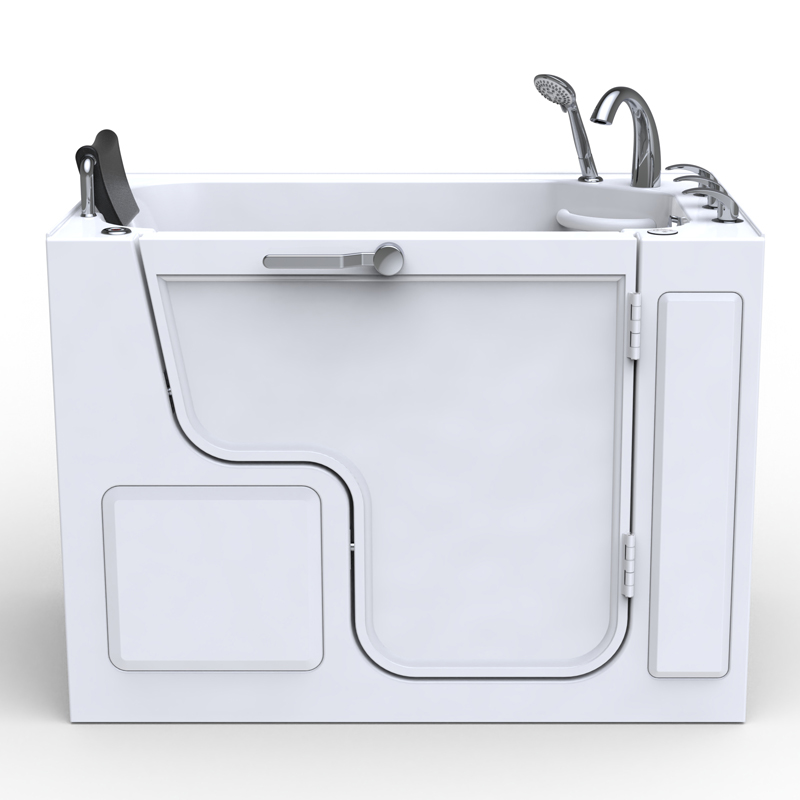
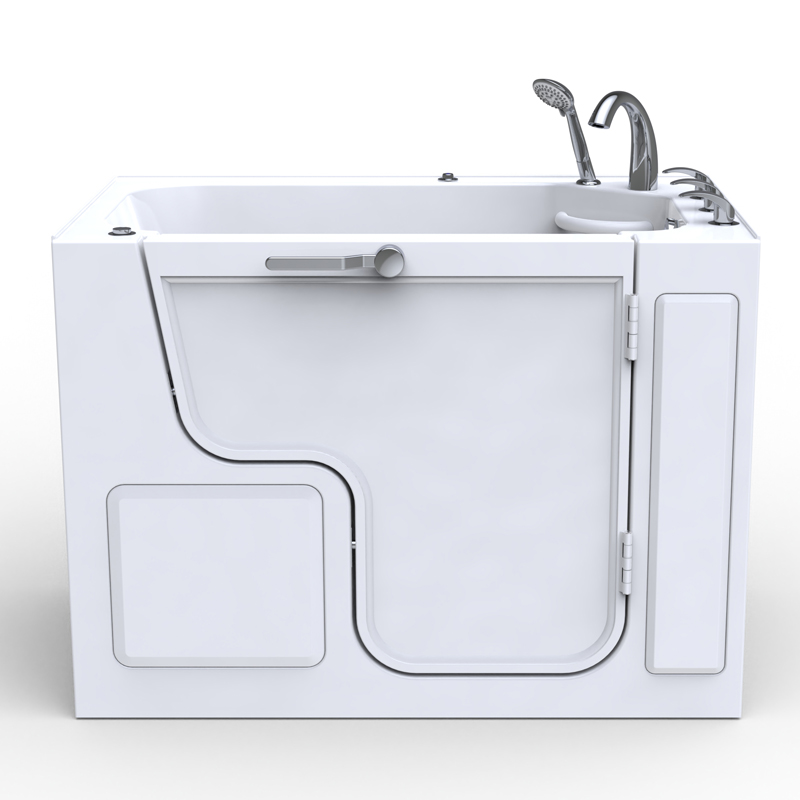
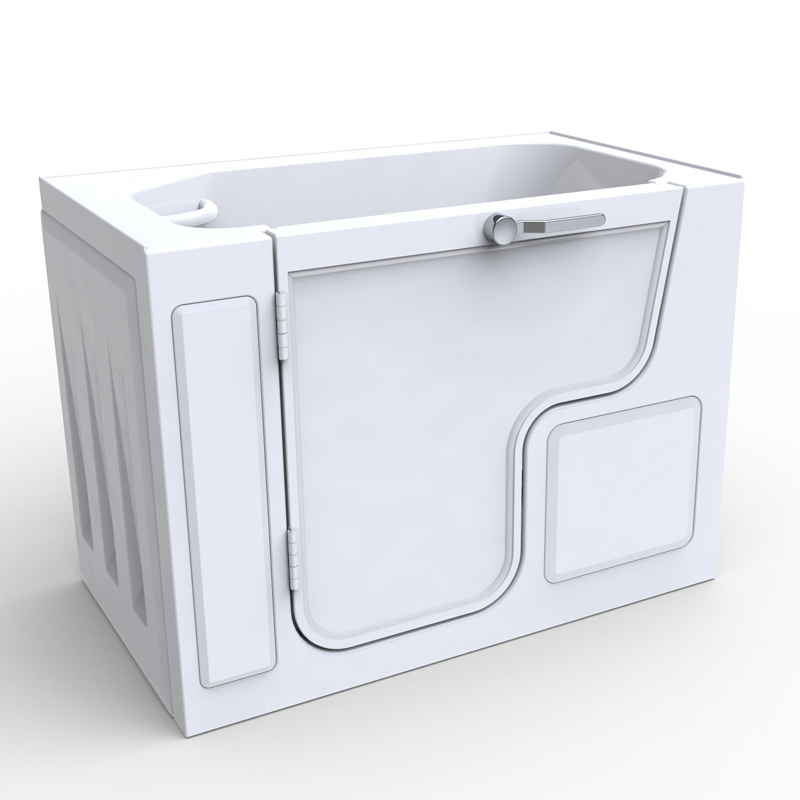
End panels are positioned at one or both ends of the bath. These are usually larger panels that provide a wide, open view of the internal components.
Their main advantage is visibility. With an end panel removed, you can inspect a large portion of the plumbing system at once. This is particularly useful for identifying leaks, checking connections, or carrying out more extensive maintenance work.
For walk in bath & shower companies, end panels are a practical design feature because they allow technicians to work efficiently without unnecessary disassembly.
2. Side Access Panels
Side access panels are installed along the length of the bath. While typically smaller than end panels, they are strategically placed to allow targeted access to specific components.
These panels are ideal for reaching taps, valves, and pipework located along the side of the bath. Instead of opening a large section, you can quickly access exactly what you need.
From a usability standpoint, side panels are often more convenient for routine maintenance tasks, especially in tighter bathroom spaces where access from the ends may be limited.
Why Both Panel Types Are Used Together
In reality, most modern walk in bath & shower brands incorporate both end panels and side access panels into their designs. This combination provides maximum flexibility.
Using both types of panels simultaneously allows for:
Faster diagnostics
Easier repairs
Reduced labour time
Less disruption to the bathroom
For wholesalers and installers, this is a major advantage. It means fewer complications during installation and servicing, which ultimately leads to better customer satisfaction.
Common Maintenance Tasks Made Easier
Access panels aren’t just a design feature—they have real, practical benefits over the lifespan of the bath. Here are the most common maintenance tasks they support:
1. Changing Taps and Faucets
This is one of the most frequent reasons access panels are used. Over time, homeowners may want to update the look of their bathroom or replace worn-out fixtures.
With access panels, changing taps and faucets becomes a straightforward task. There’s no need to remove the bath or damage surrounding tiles—everything can be done quickly and cleanly.
2. Servicing or Replacing the Drain
After years of use, drainage performance can decline due to wear, buildup, or general ageing. In some cases, replacing the drain system is the best way to restore optimal water flow.
Access panels allow direct entry to the drainage components, making it easy to inspect, clean, or replace parts without major disruption.
For walk in bath & shower wholesalers, this is an important selling point—customers want products that are easy to maintain long-term.
3. Maintaining Water Pumps and Plumbing
Many modern walk in baths include powered features such as hydrotherapy systems or assisted drainage pumps. These components require occasional servicing to keep them running efficiently.
Access panels make it possible to:
Inspect pump performance
Check for leaks or blockages
Replace worn components
Maintain overall system health
Without access panels, maintaining these systems would be significantly more complex and costly.
A Small Feature with a Big Impact
It’s easy to overlook access panels when comparing walk in bath & shower companies or browsing different models. However, they play a crucial role in the long-term usability and reliability of the bath.
For manufacturers and walk in bath & shower brands, including well-designed access panels demonstrates a focus on durability and customer convenience. For wholesalers, it adds value to the product offering. And for end users, it means fewer headaches down the line.
Final Thoughts
Access panels may not be the most visible feature of a walk in bath, but they are one of the most important. Their introduction marked a shift from purely functional design to long-term practicality and serviceability.
Whether it’s replacing taps, servicing the drain, or maintaining internal systems, access panels ensure that your walk in bath remains in top condition for years to come. If you’re sourcing from walk in bath & shower wholesalers or evaluating different walk in bath & shower brands, it’s worth paying close attention to how these panels are designed and positioned.
In short, a well-designed access panel isn’t just a convenience—it’s a necessity for preserving the life and performance of a walk in bath.