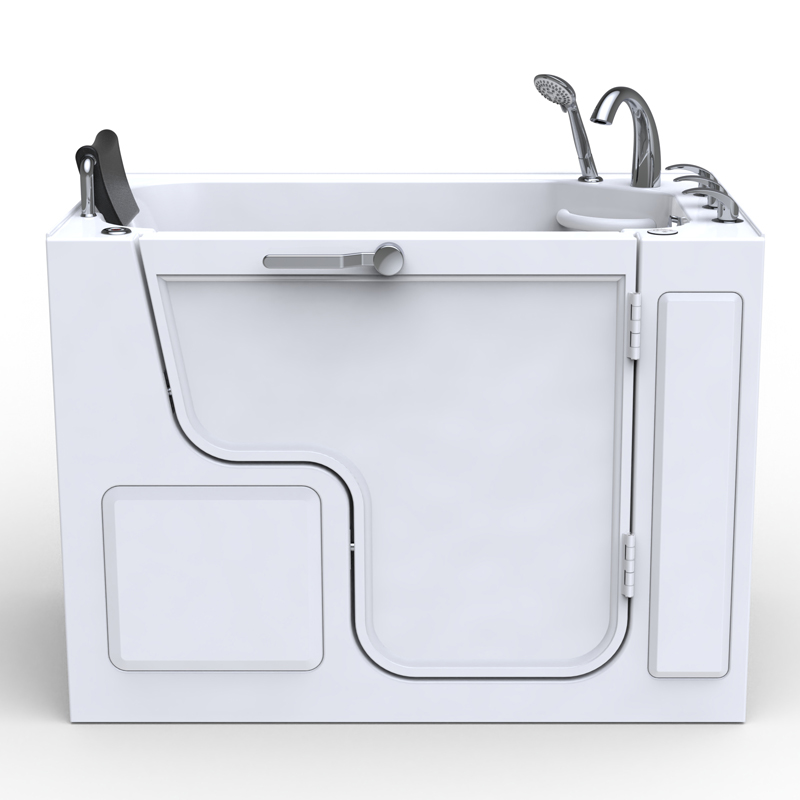
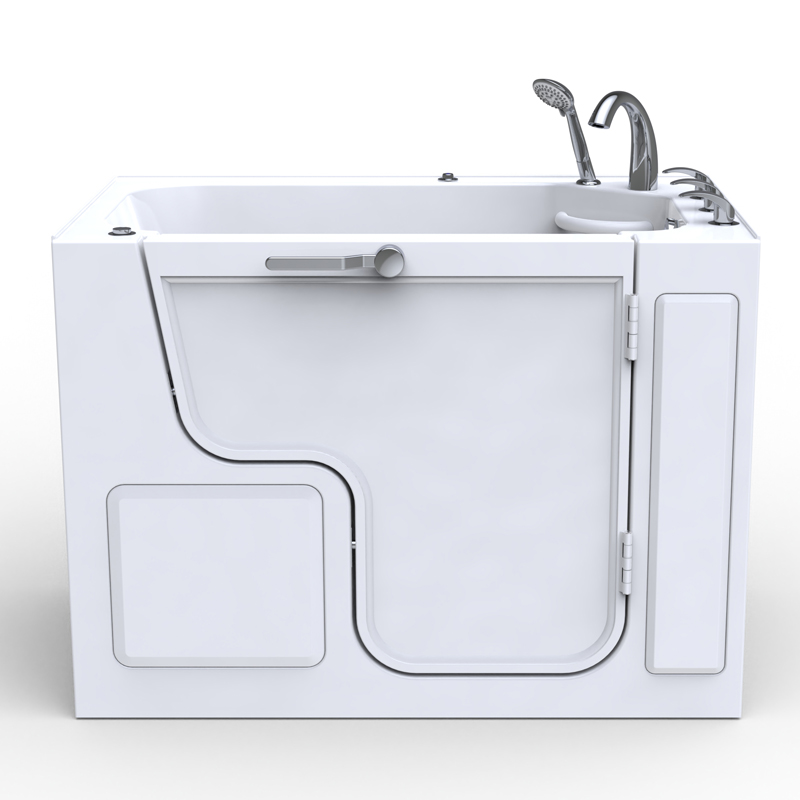
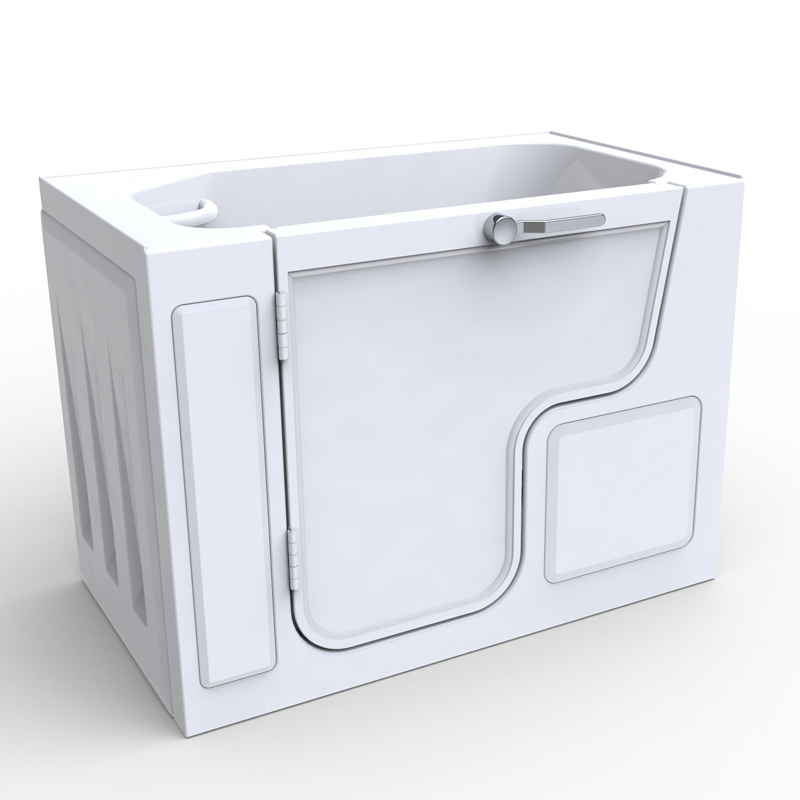
One-Piece vs. Two-Piece Walk-In Baths: A Manufacturer’s Perspective on Durability and Construction
In the world of walk-in baths, especially when dealing with senior bath suppliers, the question of one-piece versus two-piece construction is crucial. Walk-in baths are essential for individuals with mobility issues, especially the elderly, and they need to be not only accessible but also durable and easy to maintain. As a result, manufacturers face key decisions on the bath’s design and structure. Should they opt for a one-piece bath made from a single material, or is a two-piece bath the better choice for cost-effectiveness and easier assembly?
Understanding the nuances of these two construction methods can shed light on which type of bath ultimately lasts longer and performs better, especially from the point of view of a senior bath supplier or senior tub manufacturer.
One-Piece Walk-In Baths: Strength and Durability
The one-piece bath is known for its strength, which is primarily due to its seamless construction. Made from a single piece of material, it eliminates the need for joints or seams, creating a solid structure. For elderly bath manufacturers, producing a one-piece walk-in bath involves more effort, but the benefits are clear. One-piece baths are typically thermoformed, a process where a single sheet of acrylic or a similar material is heated to a specific temperature and then molded into shape.
Thermoforming ensures that the material is evenly shaped and free of seams that could weaken over time. The senior tub manufacturer uses heat to mold the acrylic, and once it cools, the result is a smooth, durable, and strong walk-in bath. The absence of seams also makes it more resistant to bacteria and grime buildup—issues that are a major concern for elderly bath suppliers, as they need to ensure that the product is not only long-lasting but hygienic and easy to clean.
After the bath is thermoformed, it is reinforced with layers of GRP (Glass Reinforced Plastic). This additional layer provides extra strength and durability. GRP is known for its toughness, and by adding these layers, manufacturers can make sure the bath resists cracking or warping over time. The material is also lightweight, which makes it easier to handle during installation.
The final step in creating the one-piece walk-in bath involves installing a stainless steel 304 box-cut frame. The stainless steel frame adds support to the bath, ensuring that it holds its shape even under frequent use. Stainless steel is highly resistant to rust and corrosion, making it an ideal material for reinforcing the structure of the bath. This high-quality frame is crucial for the longevity and stability of the bath, ensuring that it remains in pristine condition for years to come. It also adds a modern, sleek finish, appealing to both the functional and aesthetic needs of customers.
In terms of durability, a one-piece bath will typically outlast a two-piece bath. The seamless design prevents water from seeping into crevices and joints, which could otherwise lead to mould, mildew, or weakening of the structure. This bath type, therefore, holds its shape better, requiring less maintenance and offering superior long-term performance.
Two-Piece Walk-In Baths: Easier and More Affordable
While the one-piece bath offers significant advantages in terms of strength and longevity, the two-piece bath presents a more cost-effective solution for senior bath suppliers who may be working within a tighter budget. The two-piece design is more straightforward to manufacture, which can result in a cheaper bath for the consumer. The two pieces are made separately and then joined together during installation. Typically, the top part is connected to the bottom part using seals or screws.
The manufacturing process for two-piece baths is also less time-consuming than for one-piece baths, which can help reduce production costs. For senior tub manufacturers, the process is simpler and involves less specialized equipment. After the basic bath shape is formed, it is coated with a protective layer of GRP, similar to the process used for the one-piece design. However, the main difference is that the two-piece bath has a visible seam where the top and bottom parts meet.
This seam can be a weak point in the structure of the bath. While GRP layers help improve the durability, the joints in a two-piece bath are prone to wear and tear over time, especially under the stress of constant water exposure. The added joints create areas where dirt, grime, and bacteria can accumulate, and cleaning these areas thoroughly becomes more difficult. For elderly bath manufacturers, this presents an ongoing challenge, as they need to ensure that these baths are just as hygienic as their one-piece counterparts.
Furthermore, the additional joints in a two-piece bath mean there is a higher chance of leakage. Over time, the seals between the two parts can degrade, leading to water escaping from the bath. This reduces the overall stability and longevity of the product.
Choosing the Right Bath for the Job
From the perspective of a senior tub manufacturer or elderly bath manufacturer, the decision between a one-piece and two-piece walk-in bath often boils down to balancing cost and durability. A one-piece bath offers greater durability, better hygiene, and superior strength due to the seamless design and the reinforced materials. The thermoforming process, along with the GRP layers and stainless steel frame, results in a high-quality product that will stand the test of time.
On the other hand, a two-piece bath offers a more affordable solution but comes with trade-offs in terms of durability and ease of maintenance. The two-piece construction is quicker and less expensive to manufacture, but the joints and seams can weaken over time, leading to potential issues such as leaks, bacterial buildup, and a decrease in overall stability.
In conclusion, if senior bath suppliers and elderly bath manufacturers are looking to provide their customers with a long-lasting, low-maintenance, and hygienic solution, a one-piece bath is the better choice. While it may require more time, skill, and energy to produce, the durability and strength of the one-piece walk-in bath make it an investment worth considering for both the manufacturer and the customer. For those on a tighter budget or seeking a simpler solution, the two-piece bath may be an option, but it requires more attention to maintenance and may not offer the same level of longevity.