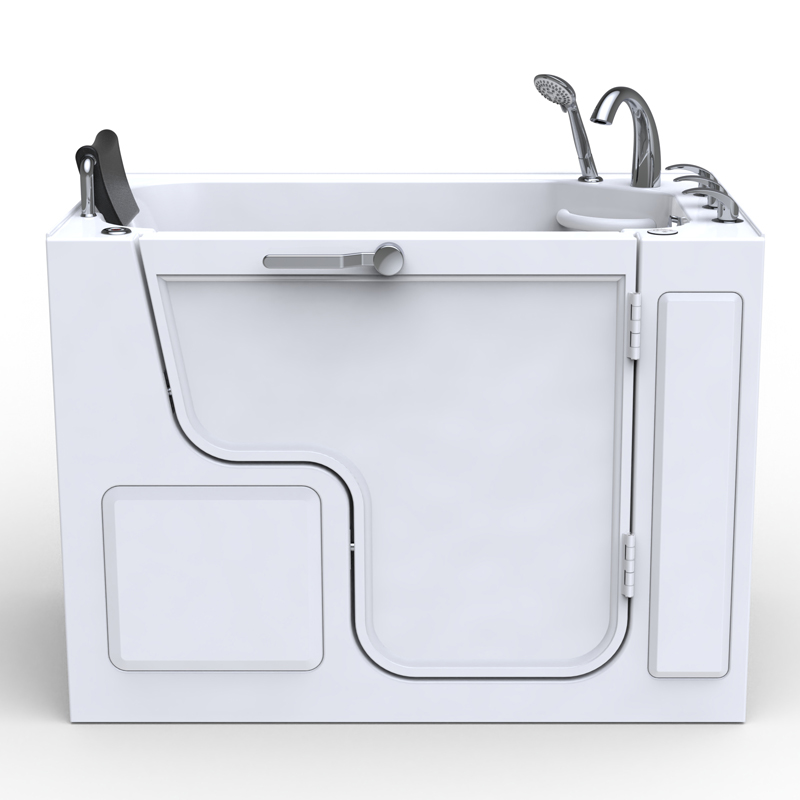
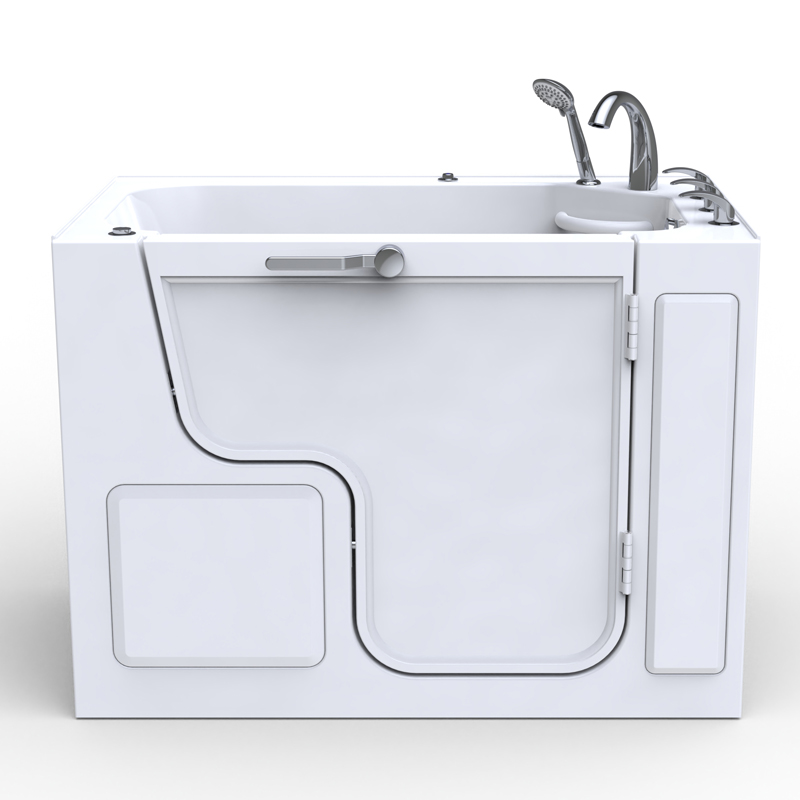
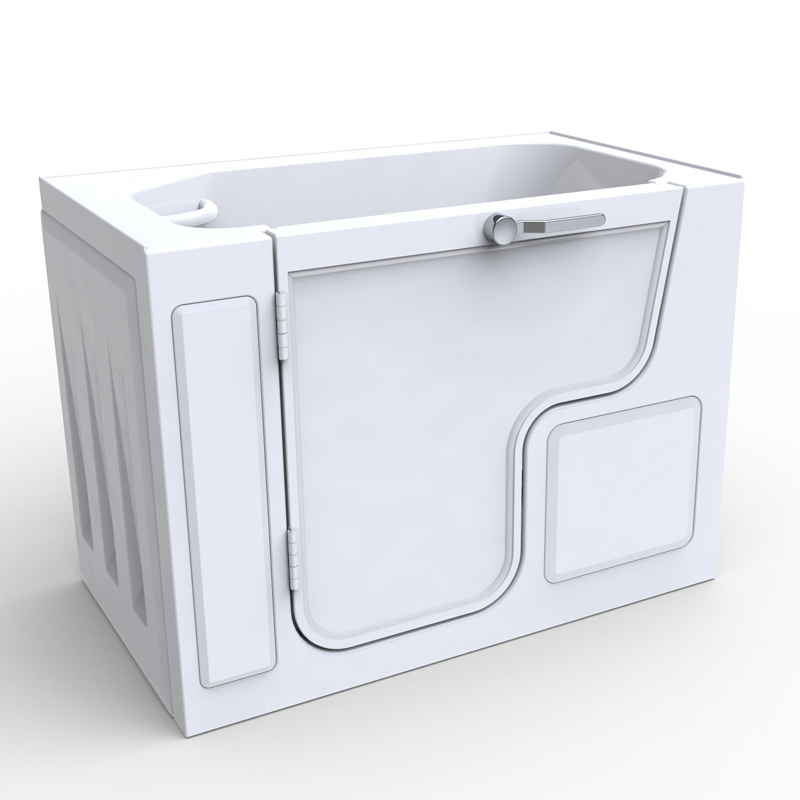
What Are the Latest Water-Saving Features in a Modern Walk-In Bath?
Today's walk-in baths are designed to do much more than provide safe bathing. Modern engineering has introduced a range of water-saving technologies that help homeowners reduce water consumption without sacrificing comfort or therapeutic benefits. For households looking to lower utility bills while making environmentally responsible choices, these innovations make a significant difference.
Whether you are renovating a bathroom or sourcing products from a trusted handicapped bath trade supplier, understanding these water-saving features will help you choose a bath that combines accessibility, efficiency, and sustainability.
Why Water Efficiency Matters in Walk-In Baths
Many people assume that walk-in baths automatically use more water than traditional bathtubs because they are often deeper. While this can be true for older designs, modern handicapped tub manufacturers have developed innovative solutions that minimise water usage while maintaining a comfortable bathing experience.
Water-saving technology not only reduces household water consumption but also lowers the amount of energy required to heat the water. This means lower monthly utility bills and a reduced environmental footprint.
For elderly users and individuals with mobility challenges, these improvements provide an economical way to enjoy daily bathing without worrying about excessive running costs.
Ergonomically Designed Bath Shapes
One of the biggest improvements introduced by leading handicapped tub manufacturer companies is smarter internal bath design.
Instead of increasing the overall water capacity, modern walk-in baths are carefully shaped to support the body comfortably while reducing unnecessary empty space. Contoured seating, sloped backrests, and strategically positioned footwells allow users to become fully immersed while requiring significantly less water than older designs.
This intelligent engineering delivers maximum comfort using a smaller volume of water.
Fast Fill Faucets Reduce Waste
Modern walk-in baths frequently include high-flow, fast-fill faucets.
While these taps do not directly reduce the amount of water used, they greatly minimise water wastage during filling. Faster filling means users spend less time waiting for the bath to reach the desired level, reducing the temptation to adjust temperatures repeatedly or let water run unnecessarily.
Many premium handicapped tub suppliers now include fast-fill systems as standard because they improve both convenience and efficiency.
Accurate Thermostatic Mixing Valves
Temperature adjustments often waste large amounts of water.
Older baths frequently require users to add cold water after filling or continue running taps while trying to reach a comfortable temperature.
Modern thermostatic mixing valves solve this problem by delivering water at a consistent pre-set temperature from the very beginning.
This reduces wasted water while improving safety, particularly for elderly users whose sensitivity to temperature may be reduced.
Many professional handicapped bath trade supplier businesses recommend thermostatic controls because they provide both safety and water efficiency.
Efficient Overflow Protection
Modern overflow systems have become far more sophisticated.
Rather than allowing excessive water levels before draining begins, newer overflow designs are positioned to maintain the ideal fill level with minimal waste.
Some systems also integrate directly into the bath filler, simplifying plumbing while helping control water usage more efficiently.
These small improvements contribute to lower overall water consumption over years of daily use.
Low Water Capacity Walk-In Baths
Not every walk-in bath needs to hold hundreds of litres.
Many modern manufacturers now offer compact models specifically engineered for smaller bathrooms and single users. These baths provide full bathing comfort while requiring substantially less water than larger models.
This makes them an excellent choice for homeowners looking to reduce both water and energy consumption without sacrificing accessibility.
Leading handicapped tub manufacturer companies continue developing compact designs that maximise internal comfort while minimising water usage.
Air Spa Systems Use Minimal Additional Water
Many people assume therapeutic spa systems require extra water, but modern air spa technology works differently.
Air spa systems inject thousands of tiny air bubbles into the existing bathwater rather than requiring additional water to operate.
These microscopic bubbles create a relaxing massage effect that improves circulation and provides gentle muscle relaxation without increasing water consumption.
For elderly users or anyone with sensitive joints, air spa systems offer soothing therapy while remaining highly water efficient.
Hydrotherapy Jets Recirculate Existing Water
Hydrotherapy systems are also designed with efficiency in mind.
Rather than constantly introducing fresh water, hydrotherapy pumps continuously recirculate the water already inside the bath.
This allows powerful massage jets to relieve aching muscles and stiff joints without using any additional water during operation.
Many premium handicapped tub manufacturers now incorporate highly efficient pump systems that maximise therapeutic performance while minimising energy consumption.
Quick Drain Technology
Modern walk-in baths often feature larger waste outlets and high-capacity drain systems.
Although this does not directly reduce water usage, faster draining provides several indirect benefits.
Users spend less time waiting before exiting the bath, making the overall bathing experience more convenient. Faster drainage also encourages regular use of appropriate water volumes rather than overfilling in anticipation of long drain times.
Many premium handicapped tub suppliers include quick-drain technology alongside efficient plumbing systems.
Better Insulation Keeps Water Warmer
Heat retention is another important water-saving innovation.
Well-insulated acrylic shells retain heat much more effectively than older bath designs. Better insulation means users rarely need to add additional hot water during longer baths.
By maintaining a stable water temperature throughout the bathing session, less water is required overall while also reducing energy costs associated with reheating water.
This creates a more comfortable experience while supporting environmentally friendly living.
Smart Water Management Features
Some of the latest walk-in baths now include intelligent electronic controls that monitor water levels and filling times.
These systems help prevent accidental overfilling and ensure baths are filled only to the recommended level for each user.
Although still considered a premium feature, smart water management technology is becoming increasingly common as manufacturers continue focusing on sustainability and household efficiency.
Choosing a Water-Efficient Walk-In Bath
When selecting a walk-in bath, water efficiency should be considered alongside safety, comfort, and accessibility.
Look for features such as ergonomic internal design, thermostatic mixing valves, compact water-saving models, efficient hydrotherapy systems, high-quality insulation, and fast-fill taps. Together, these technologies reduce water consumption while providing an enjoyable and relaxing bathing experience.
Working with an experienced handicapped bath trade supplier ensures you have access to the latest innovations from trusted handicapped tub manufacturers. Reputable handicapped tub suppliers can recommend models that balance accessibility, therapeutic benefits, and long-term water savings.
As environmental awareness continues to grow, water-efficient walk-in baths represent the future of accessible bathroom design. By investing in modern technology today, homeowners can enjoy safer bathing, lower utility bills, and greater sustainability for many years to come.